
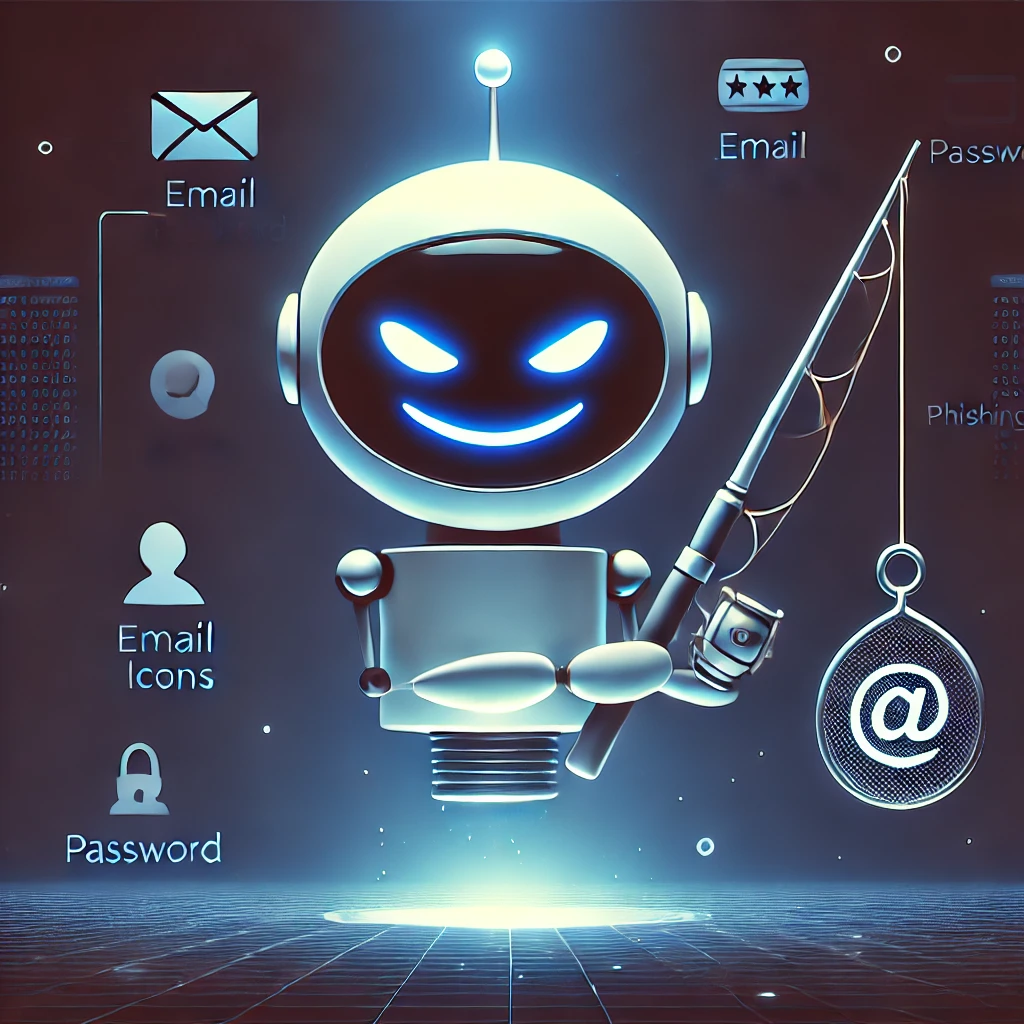
Phishing emails used to be laughably bad. Now they’ve had an upgrade.
What on Earth Is SpamGPT?
SpamGPT is a new cybercriminal tool doing the rounds on the dark web. Think of it as Mailchimp for hackers.
It looks and feels like a proper business app, but instead of helping you run a marketing campaign, it helps criminals run phishing campaigns — fake emails designed to trick people into clicking dodgy links, handing over passwords, or worse.
Features include:
- Dashboards for running mass email campaigns.
- Built-in AI “assistants” that write convincing emails.
- Tools to spoof company email addresses and sneak past spam filters.
In short: it makes cybercrime easier, cheaper, and much more believable.
Why SMBs Should Care
Large corporations have whole security teams watching out for this stuff. Small and medium businesses? Not so much. That’s why you’re the prime target.
Here’s what SpamGPT means for you:
- Your staff are more likely to fall for scams. The emails now look professional, not like “Nigerian prince” jokes.
- You could lose money fast. One wrong click can lead to fraudulent invoices, stolen credentials, or ransomware.
- Your reputation could take a hit. If your customers get scammed through what looks like your email, trust disappears overnight.
- Regulators won’t care that you’re small. A data breach can still land you with GDPR fines and compliance headaches.
How to Protect Your Business
The good news? You don’t need a giant IT department to stay safe. Here’s a straightforward playbook:
- Lock down your email domain.
Make sure SPF, DKIM, and DMARC are set up — these are behind-the-scenes settings that stop crooks pretending to be you. - Train your team.
Phishing awareness doesn’t have to be boring. Run regular short sessions. Show them real-looking fake emails. Teach one golden rule: “When in doubt, don’t click — ask IT.” - Add Multi-Factor Authentication (MFA).
Even if a password gets stolen, MFA (like a code sent to your phone) is a lifesaver. - Use decent email security.
Don’t rely on freebie filters. Business-grade solutions spot suspicious emails before they land in inboxes. - Have a plan for mistakes.
Someone will click eventually. Make sure staff know how to report it quickly, and that you’ve got backups and an incident response process.
The Bottom Line
SpamGPT is the cybercriminal’s new toy, but you don’t have to make life easy for them. A few sensible steps now can save you thousands of pounds, hours of downtime, and major embarrassment later.
Action for SMB owners today:
- Ask your IT provider (or us!) if your email domain is properly protected.
- Use our free DMARC Score Checker to see how well protected your domain really is.
- Double-check MFA is turned on for all staff.
- Book a short phishing awareness session before year-end.
Because in 2025, the scam emails aren’t just coming — they’re coming with AI polish.